On Friendship / (Collateral Damage) III – The Third GaLUT: Baghdad, Jerusalem, Amsterdam (2019-2020)
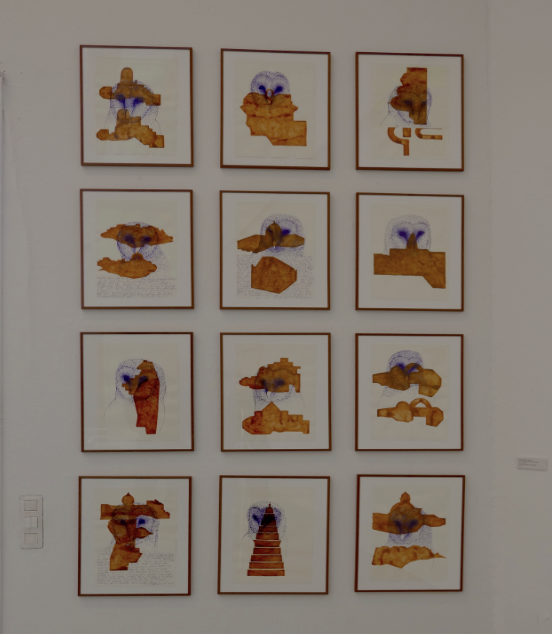
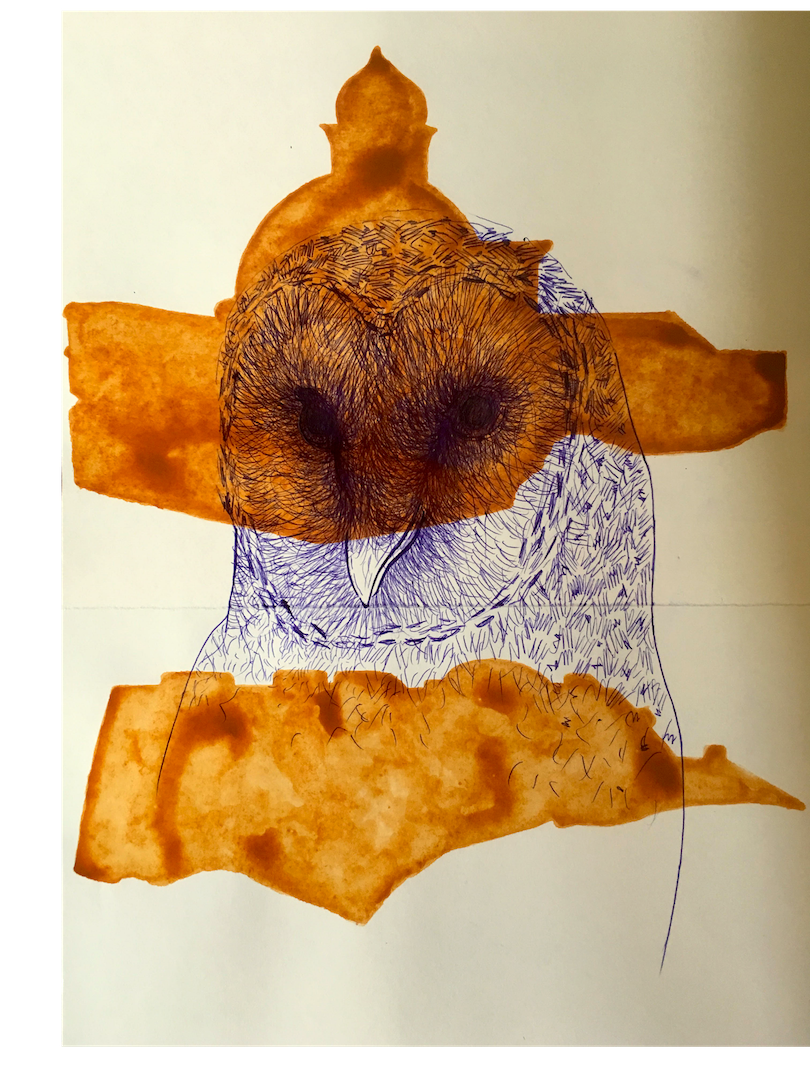
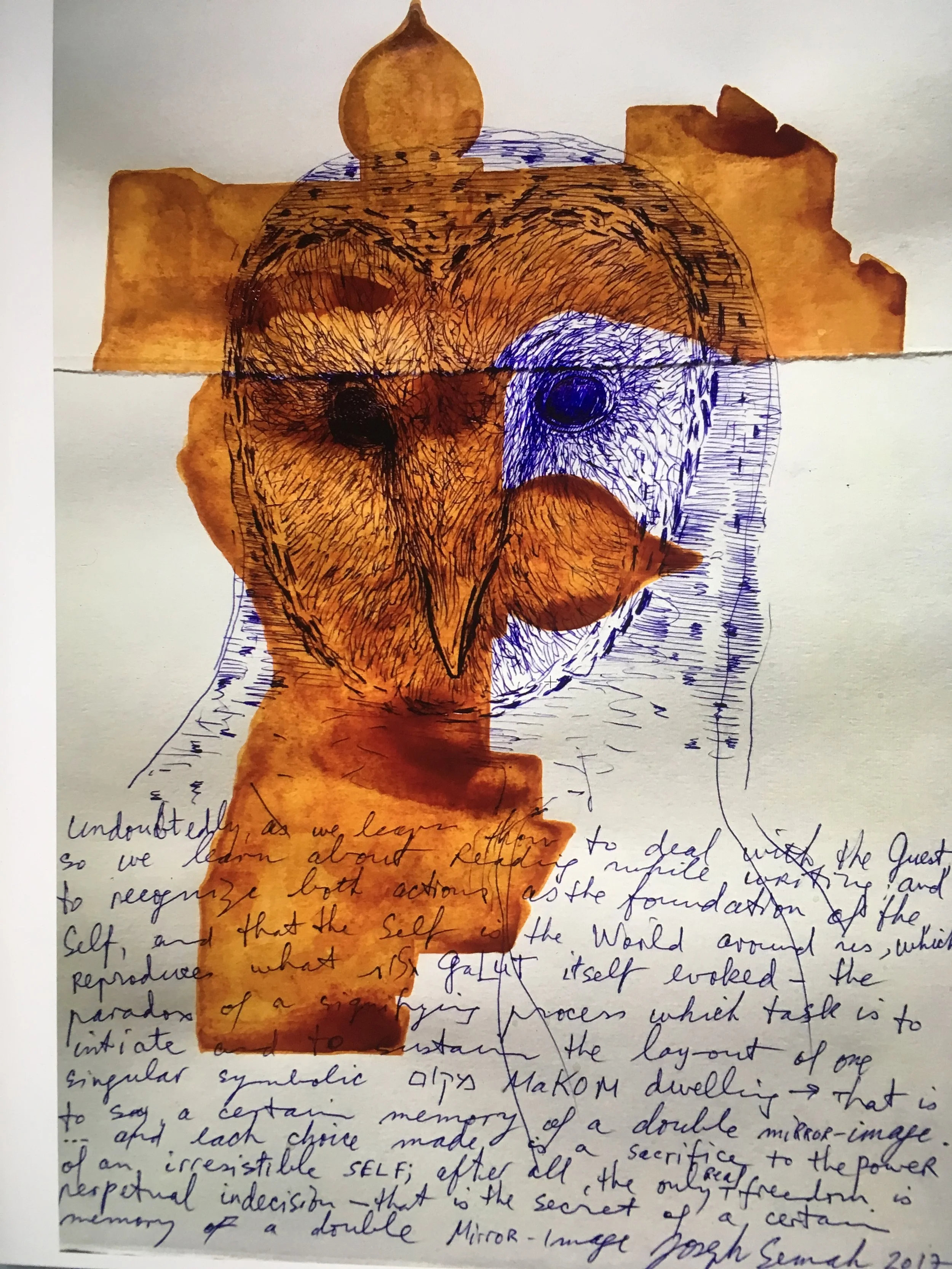
The dominant subject was the significance of lost culture, exile, hospitality, and identity. At 36 very different and diverse locations in Amsterdam, Joseph Sassoon Semah shared his forgotten cultural heritage via visual art, performances, debates and lectures. For the manifestation, Sassoon Semah produced 36 architectural models based on houses, cultural institutions, synagogues and Jewish graveyards in Baghdad prior to 1948, referring to the lost rich history of the Jewish Babylonian culture.
At the same time, he built two temporary houses - named MaKOM in MaKOM - in Amsterdam (Hermitage Amsterdam), and in Jerusalem (Jerusalem Biennale). In the manifestation, specific reference was made to the cultural and religious diversity in Jewish communities, with the purpose of giving the rich Babylonian Jewish culture a place next to the Western Jews, and the memory of SHOAH. In a metaphorical sense, Part III is an ode to a lost culture, and at the same time an invitation to dialogue between the different points of view in Judaism.
The dominant subject was the significance of lost culture, exile, hospitality, and identity. At 36 very different and diverse locations in Amsterdam, Joseph Sassoon Semah shared his forgotten cultural heritage via visual art, performances, debates and lectures. For the manifestation, Sassoon Semah produced 36 architectural models based on houses, cultural institutions, synagogues and Jewish graveyards in Baghdad prior to 1948, referring to the lost rich history of the Jewish Babylonian culture.
At the same time, he built two temporary houses - named MaKOM in MaKOM - in Amsterdam (Hermitage Amsterdam), and in Jerusalem (Jerusalem Biennale). In the manifestation, specific reference was made to the cultural and religious diversity in Jewish communities, with the purpose of giving the rich Babylonian Jewish culture a place next to the Western Jews, and the memory of SHOAH. In a metaphorical sense, Part III is an ode to a lost culture, and at the same time an invitation to dialogue between the different points of view in Judaism.